

Indoor and outdoor advertising
Meet your audience on their daily route. We create and place your advertising, from billboards to LED screens, in locations chosen for the people you want to reach.
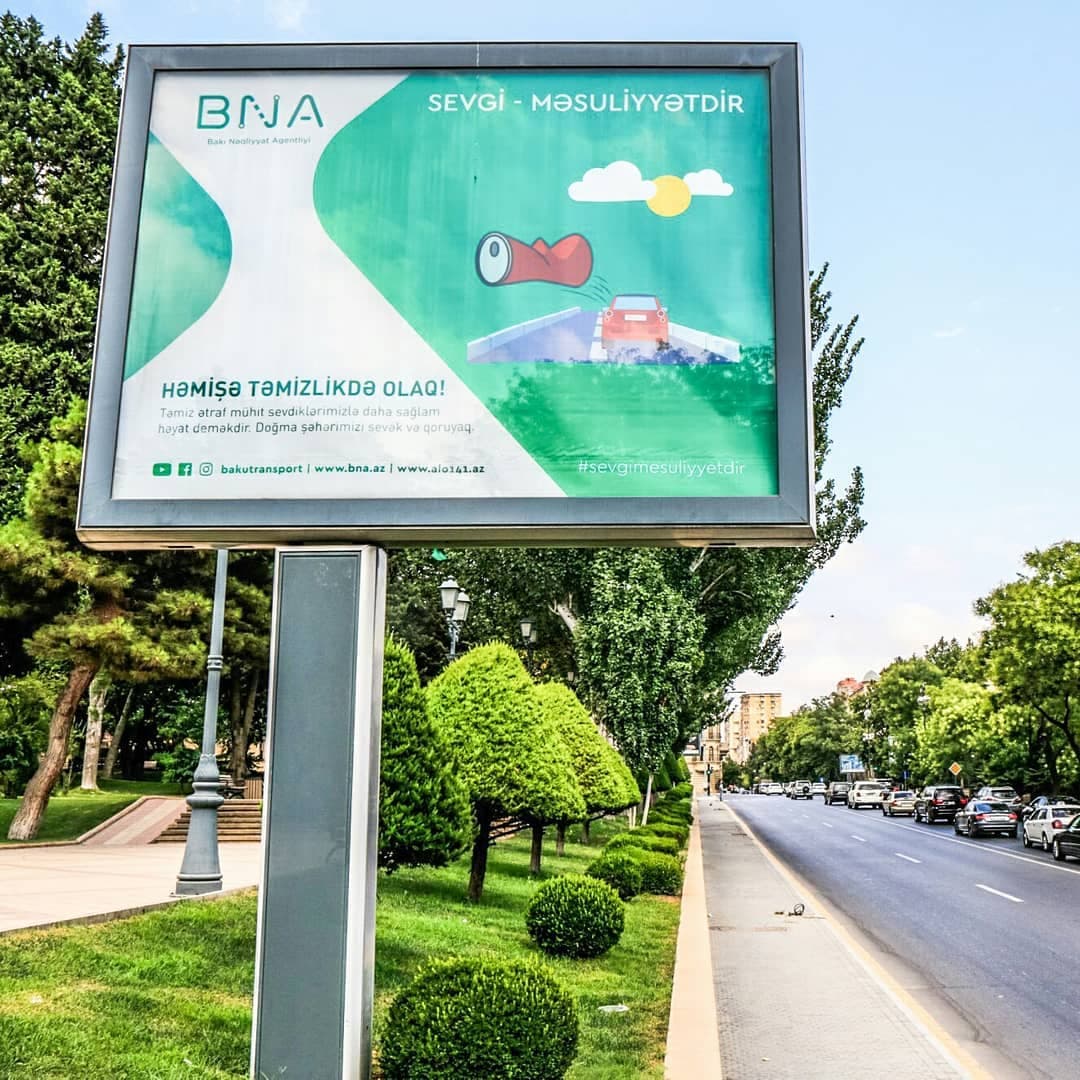
Across Azerbaijan
We can place your advertising in any region of the country.
Indoors and outdoors
Choose formats from street billboards to LED screens inside venues.
Audience first
We plan the design, message and location around the people you want to reach.
Viewing distance shapes the layout
Roadside advertising is read in passing; a shopper can stop beside a poster. Street artwork needs a clear main offer with little supporting text. A placement plan also considers how surfaces follow each other along a route, rather than judging coverage by the number of sites alone.
We place advertising on central streets, in busy public spaces, at metro stations and in shopping centres. Booking dates and your campaign period shape the plan; if a site is taken, we consider nearby alternatives. Keeping an offer in mind, directing shoppers to a store and explaining a product can call for different locations.
Compare the space each format takes
Use the human figure to compare the advertising surfaces at the same scale. Width and height help you judge which format fits the setting.
Billboard
6 × 3 m
Roadside space for a large product image and a short offer.
Prismatron
6 × 3 m
Rotating roadside panels for separate, self-contained advertising messages.
City light (CLP)
1.2 × 1.8 m
Portrait posters for pedestrians on pavements and at stops.
Roll up
0.85 × 2 m
Portable presentation space for exhibition booths and reception areas.
These are common sizes. The comparison excludes the space occupied by frames and supports.
Choose for the viewing conditions
The structure determines how an ad appears. A fixed poster, a rotating display and a screen slot suit different campaign needs.
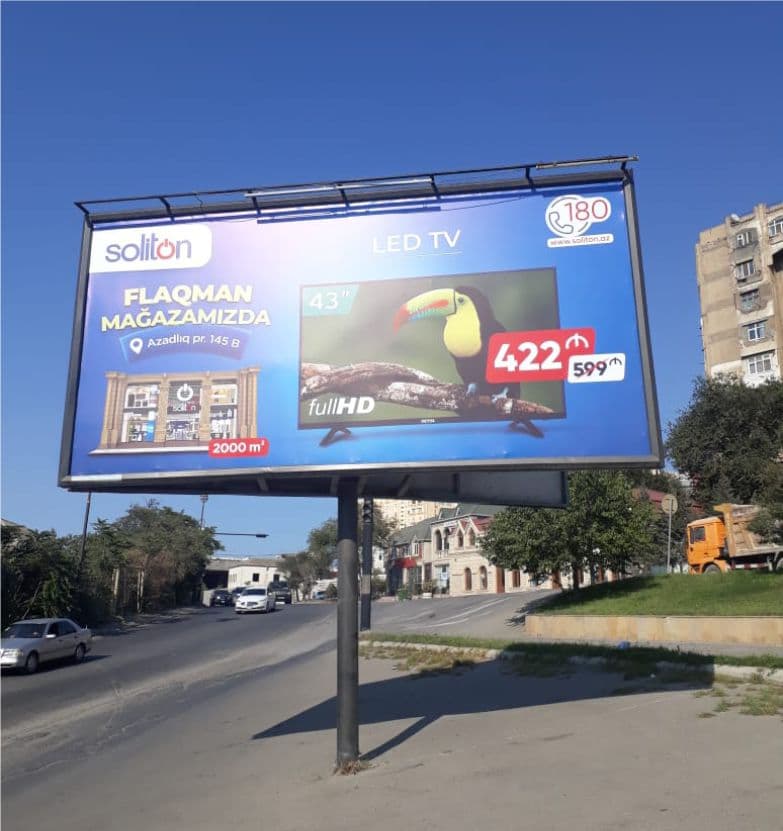
Roadside billboards
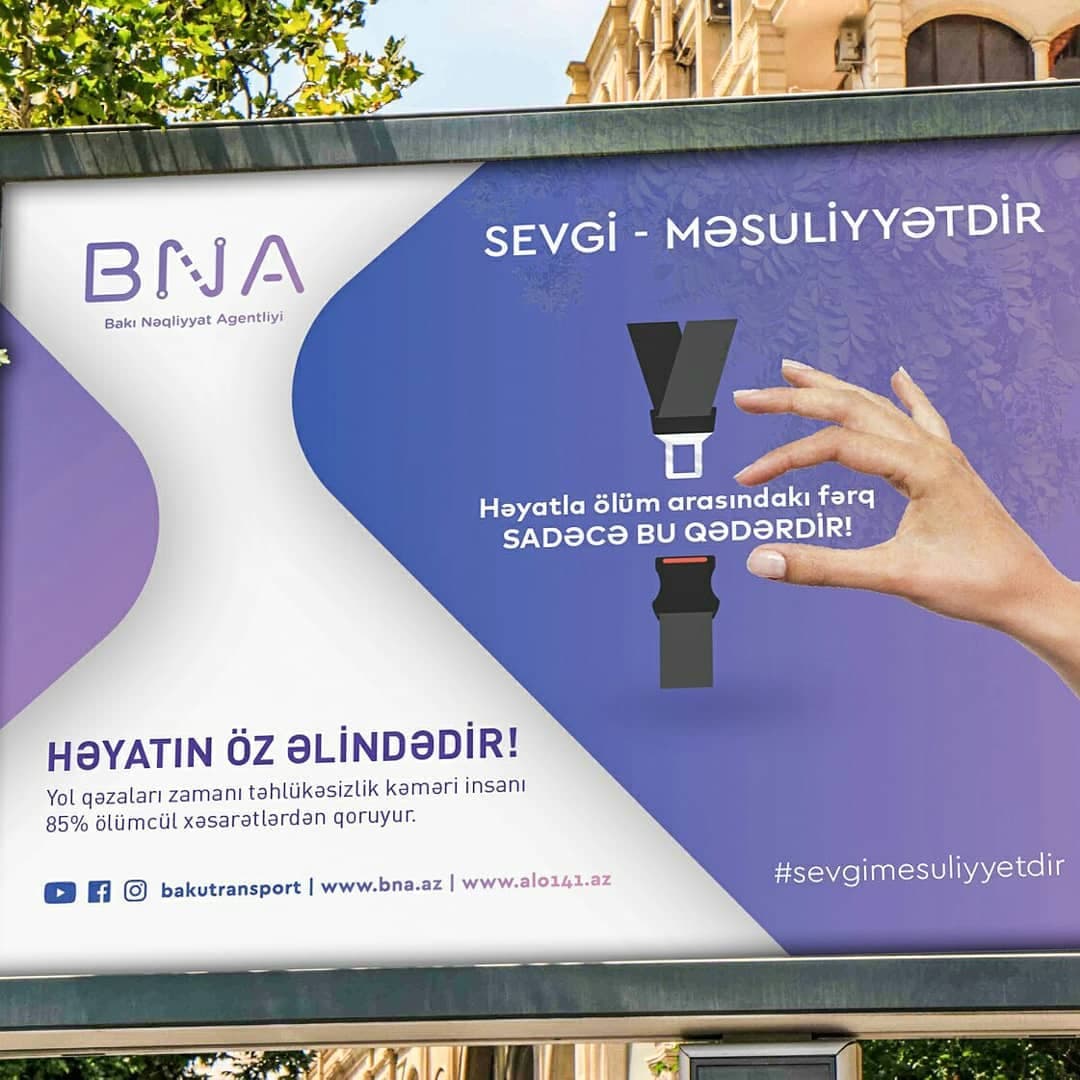
Fixed roadside surfaces suit ongoing product campaigns and store openings. We consider approaching traffic when selecting the face to book.
LED screen content
Street and shopping centre screens suit demonstrations of a product in use. We prepare content to fit the screen’s playback sequence.
Scroller posters
We prepare printed ads for rotating displays on streets and at stops. They suit campaigns sharing a surface with other advertisers.
Street banners
Elongated banners suit announcements on facades and event entrances. They give an opening or event name space across a wide surface.
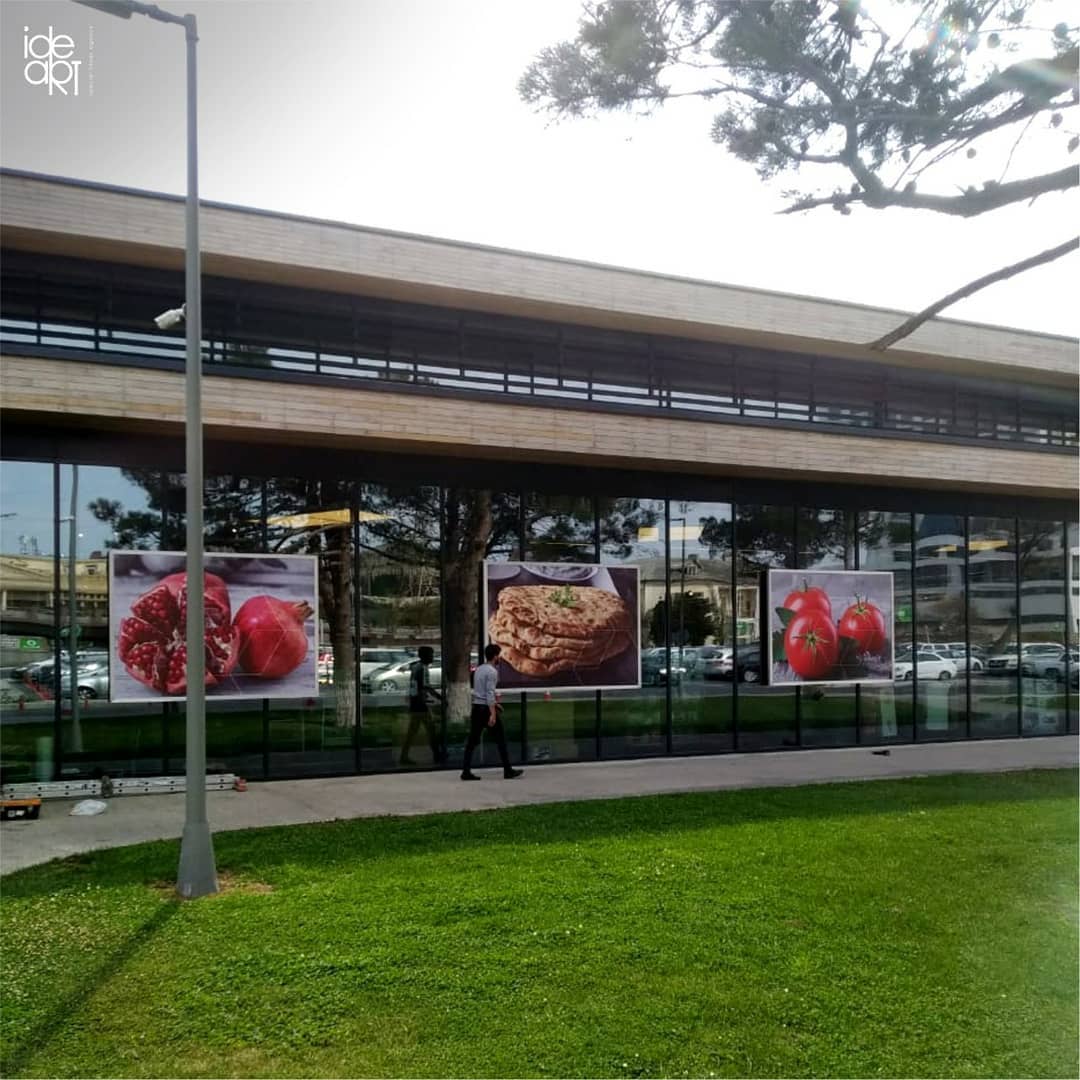
Light box graphics
Backlit posters suit shop entrances and passageways. The printed material needs to transmit light from inside the box.
CLP posters
We place portrait posters in city light frames near pedestrian traffic. They suit store offers and product campaigns.
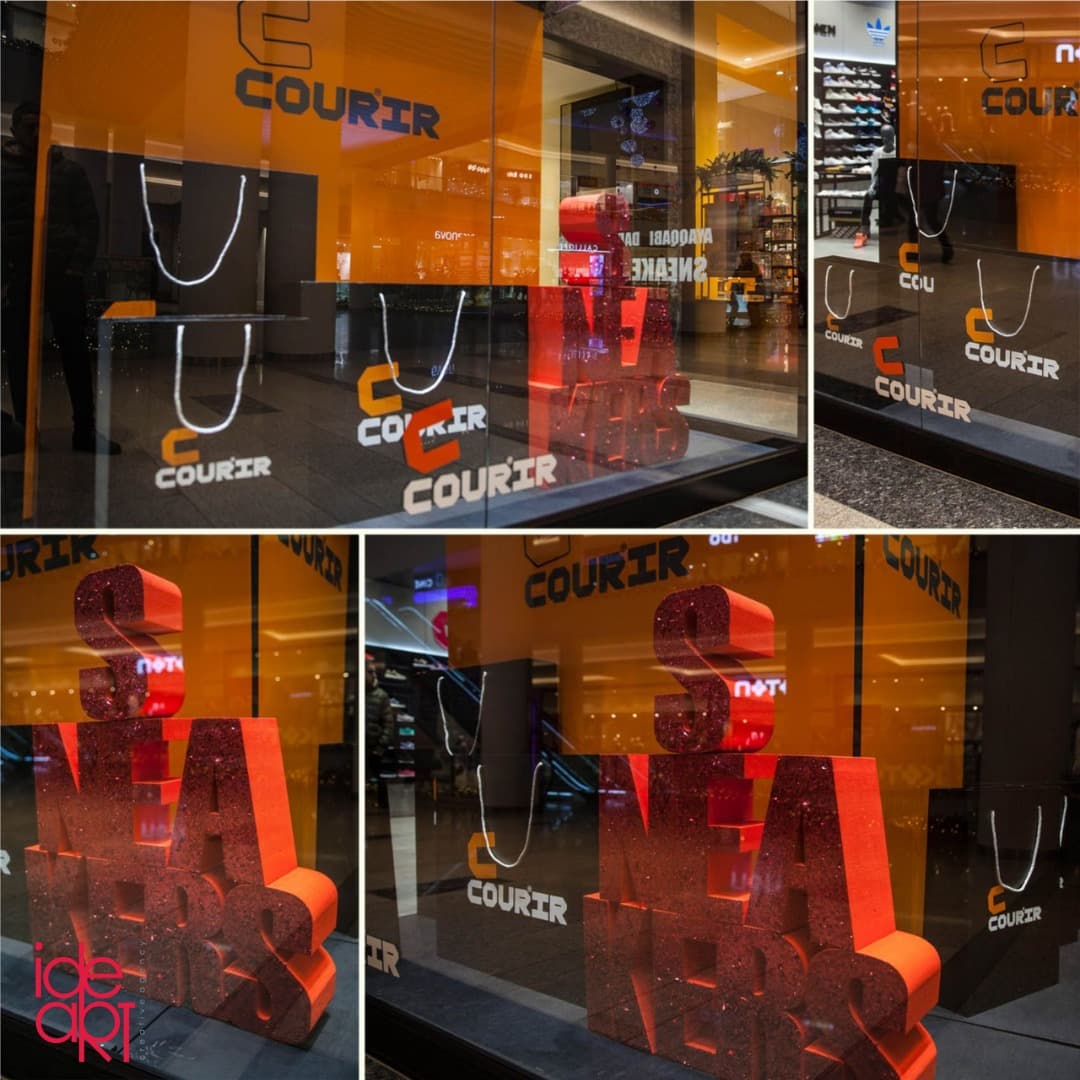
Indoor displays
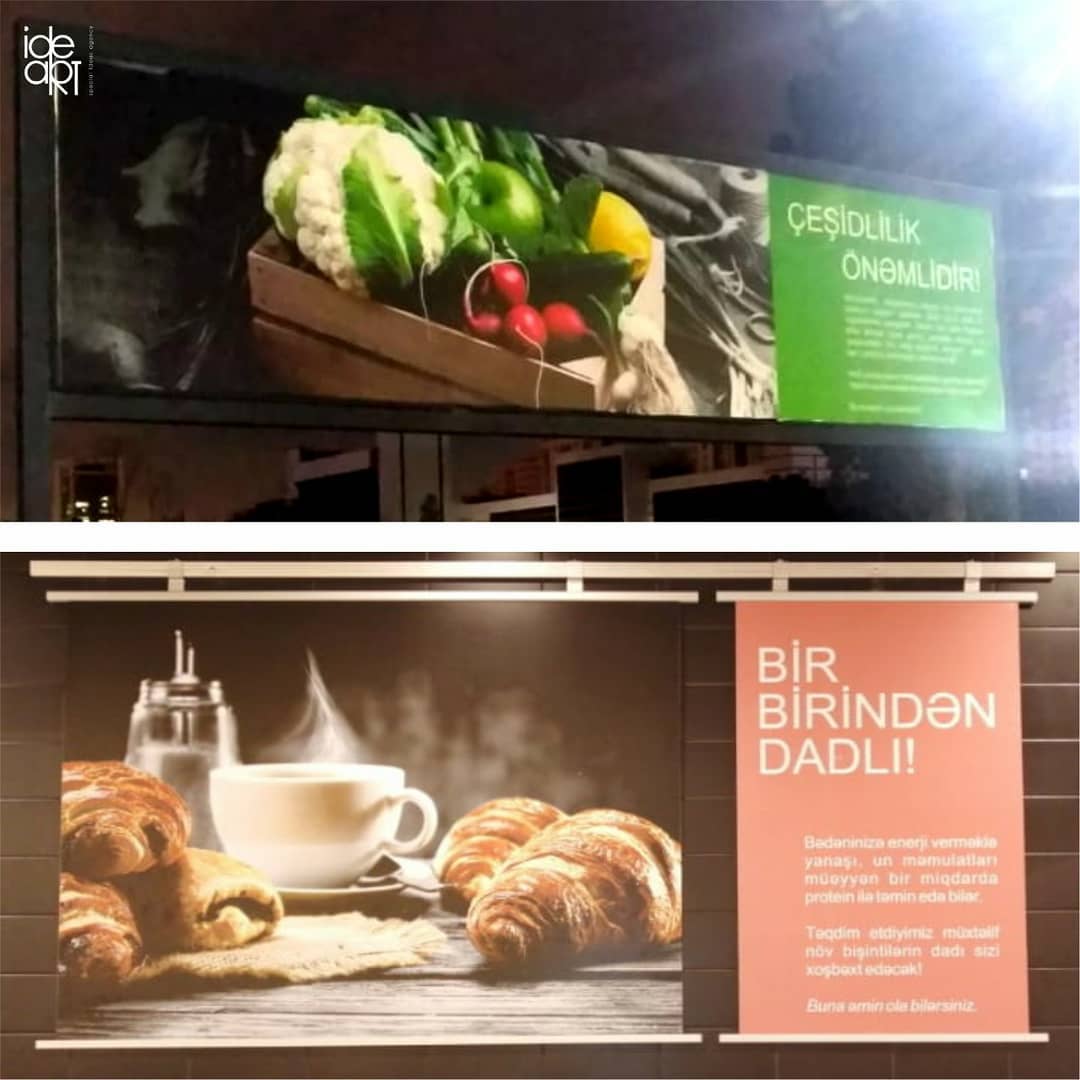
We prepare posters, stands and screen content for product explanations and comparisons on the shop floor. Displays must leave the products visible.
What we agree before placement
Define the request
You provide the campaign offer and sales locations. We define the geographical area to cover, and you confirm the budget.
Review the site
We consider sightlines and obstructions when reviewing surfaces. You approve the selected locations and placement terms.
Prepare visual assets
We establish how images will be cropped for the chosen surface. You provide the logo, product photographs and assets cleared for use.
Approve the artwork
We present artwork prepared for the print surface or screen. You check the wording, offer conditions and visual before approval.
Check the placement
After placement, the visible area and displayed artwork are checked. You compare the result with the agreed surface and content.
Before you book a surface
Can I use a social media post on a billboard?
It usually needs a new layout. Stretching a square post across a horizontal billboard distorts the image and logo. Select the main visual, rebuild the composition and remove elements that belong to the social platform’s interface.
Can the artwork change during a campaign?
It depends on the format. A printed poster needs producing and replacing; a screen update must fit the operator’s playback schedule. If your offer will change, agree how content updates will work before booking.
What affects the placement price?
Location, format, availability and booking period affect the price. Check whether printing, artwork adaptation, installation and removal are included so you can compare the same scope.
What file does an advertising screen need?
Use the selected operator's technical specification. Obtain the pixel dimensions, accepted file format and playback requirements before production. Check whether sound is available before commissioning a video that relies on it.
Should I put a QR code on a billboard?
Only where viewing conditions allow people to use it. A QR code should not be the main response route for drivers in motion. For a pedestrian-facing surface, test the code at its final size and actual scanning distance.
Let's talk about your next campaign
Tell us what you want to promote. We'll discuss design and advertising options for your project.