

Printing services
Give your brand something people can hold. We prepare printed materials for your campaign, from product packaging to large banners.
Branded packaging
We print your branding on boxes and other packaging materials.
Large formats
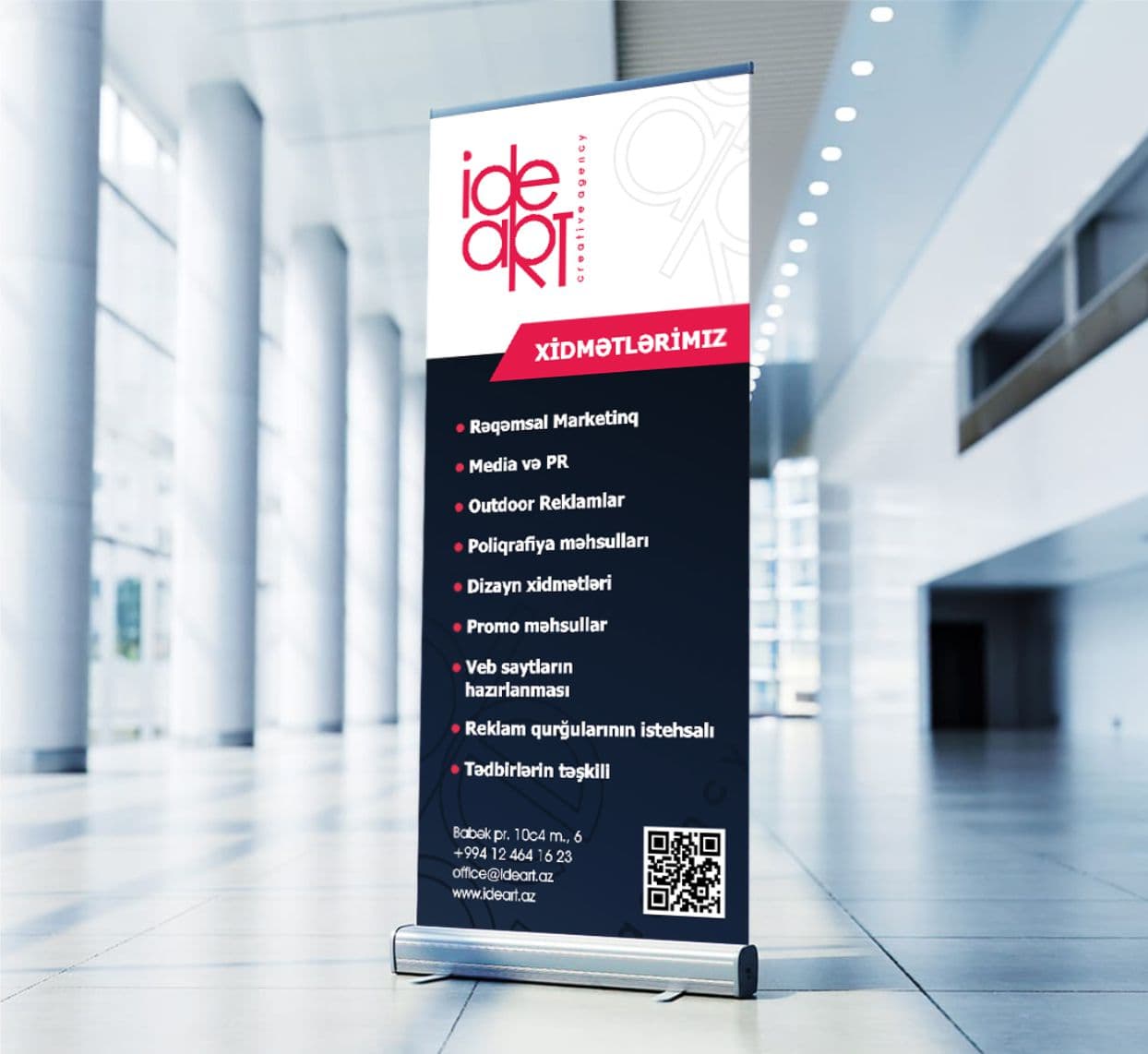
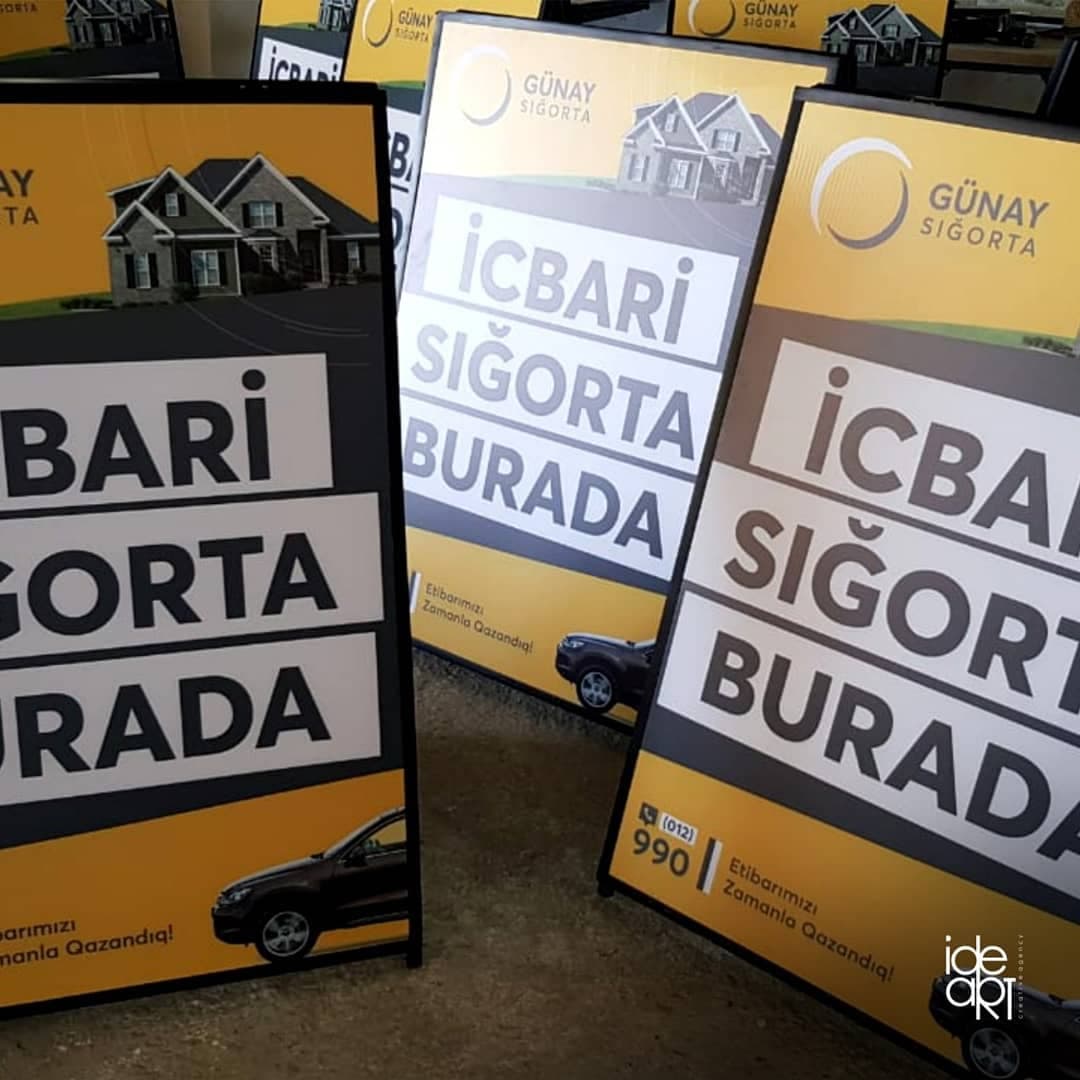
Banner vinyl and mesh vinyl printing for events and exhibitions.
Plastic cards
We offer plastic card printing for your business.
Choose paper for its use
A catalogue held in the hand and a poster on a wall may need different paper surfaces. Gloss can reflect lighting into the reader’s eyes and obscure text at some angles. We choose the stock surface and finishing for the conditions in which the print will be read.
Binding affects brochure layout. Text placed too close to the spine can disappear into the join when the brochure opens. We account for page order and binding during layout. For folded print, the direction of the paper grain also affects how cleanly the fold forms.
Find the right paper size
Compare the sheet proportions from A0 to A6. The examples beside each size show typical uses, from exhibition posters to postcards.
A0 841 × 1189 mm
Exhibition posters and large technical drawings.
A1 594 × 841 mm
Event posters and presentation graphics.
A2 420 × 594 mm
Shop posters and large wall calendars.
A3 297 × 420 mm
Menus, small posters and wall calendars.
A4 210 × 297 mm
Letterheads, reports and catalogue pages.
A5 148 × 210 mm
Booklets, leaflets and notepads.
A6 105 × 148 mm
Postcards, invitations and small flyers.
Sheet size does not determine box size. Packaging needs a flat cutting template.
Printing methods and material choices
Variable content, quantity and the structure supporting a display call for different print choices. We match the method to the finished product’s use.
Offset print runs
We print larger runs with identical content. Setup costs are spread across the copies, which can make offset economical as quantities increase.
Digital print runs
Suits small editions and content that changes between copies. Different text versions can be produced without making printing plates.
Large format graphics
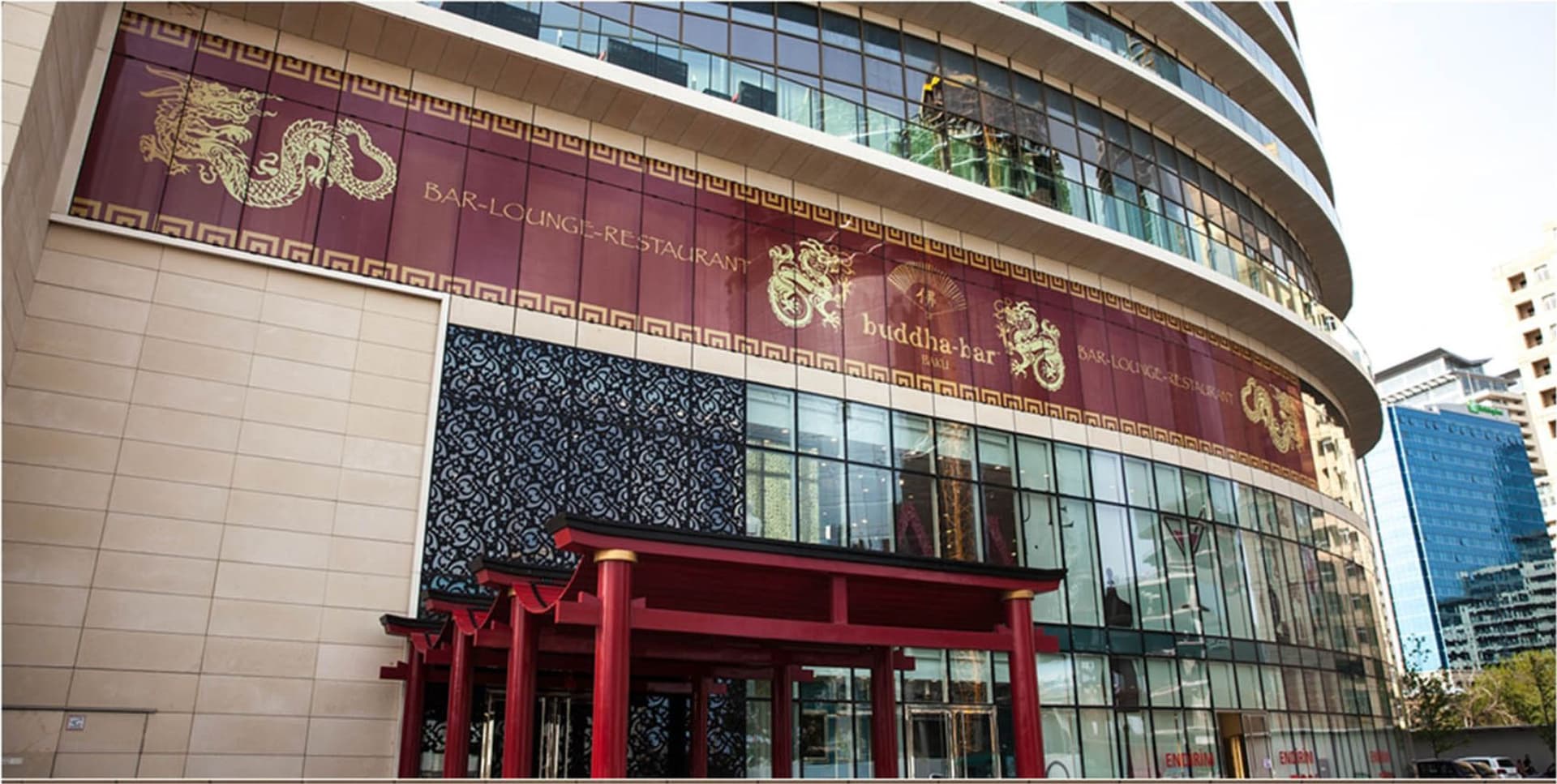
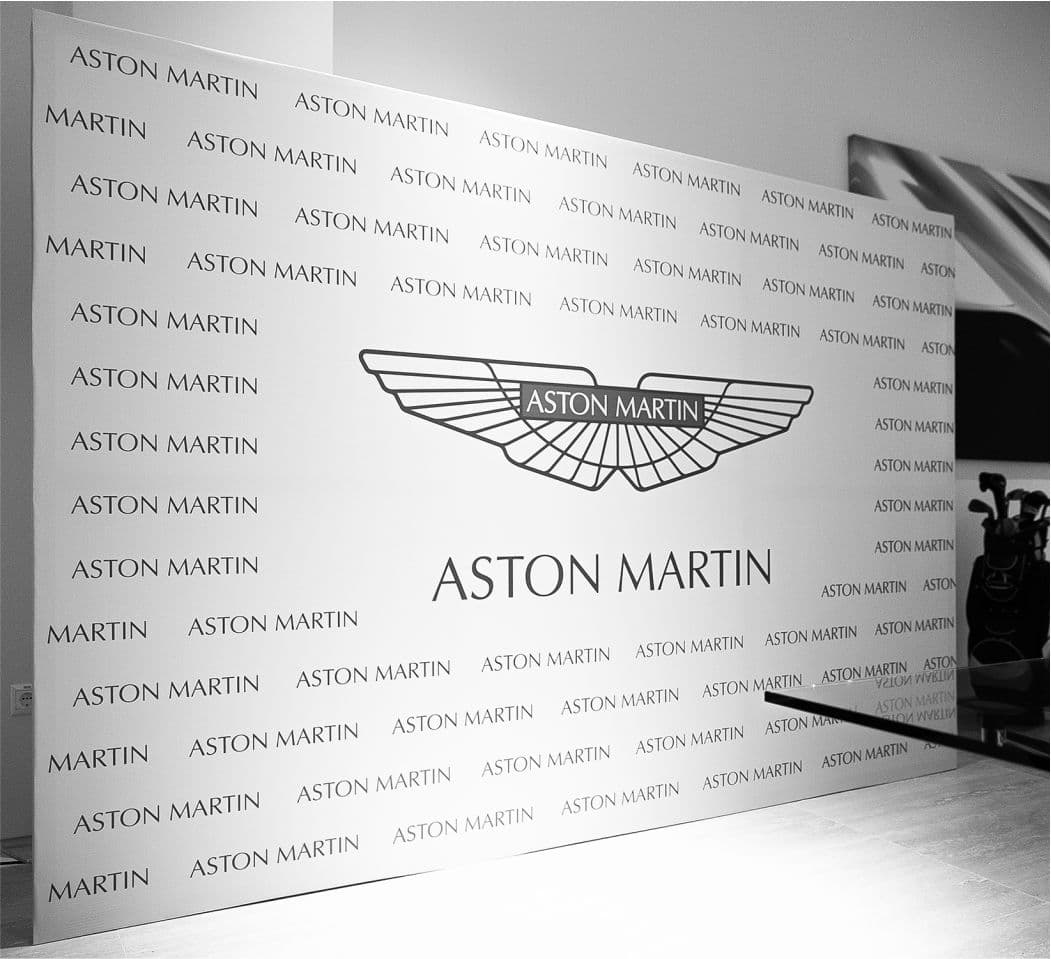
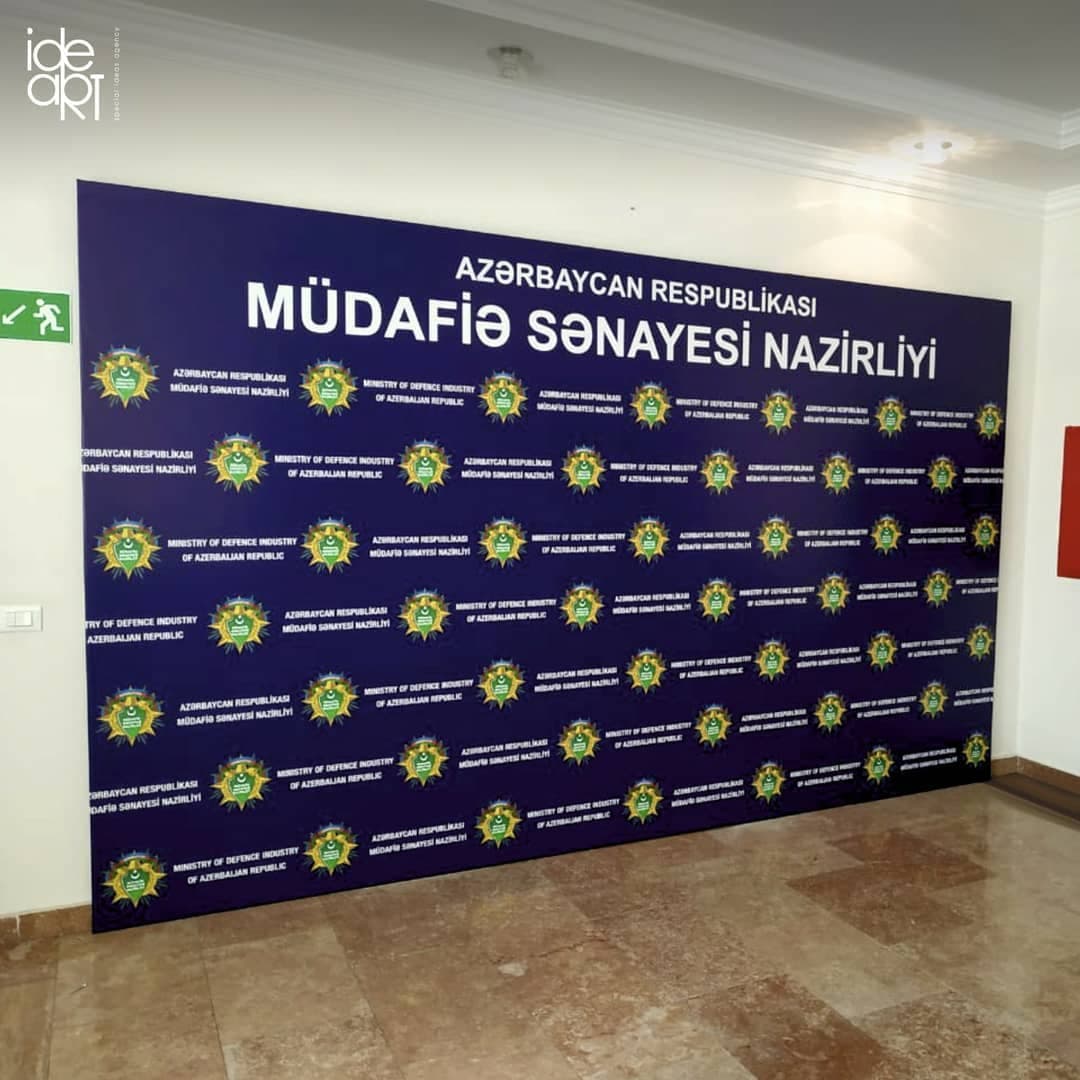
We print large graphics for exhibition backdrops and brand walls. When a surface needs separate panels, the layout accounts for their joins.
Plastic cards
We print cards for membership and discount programmes. Names, numbers and codes are positioned to suit how the card will be read.
Packaging print
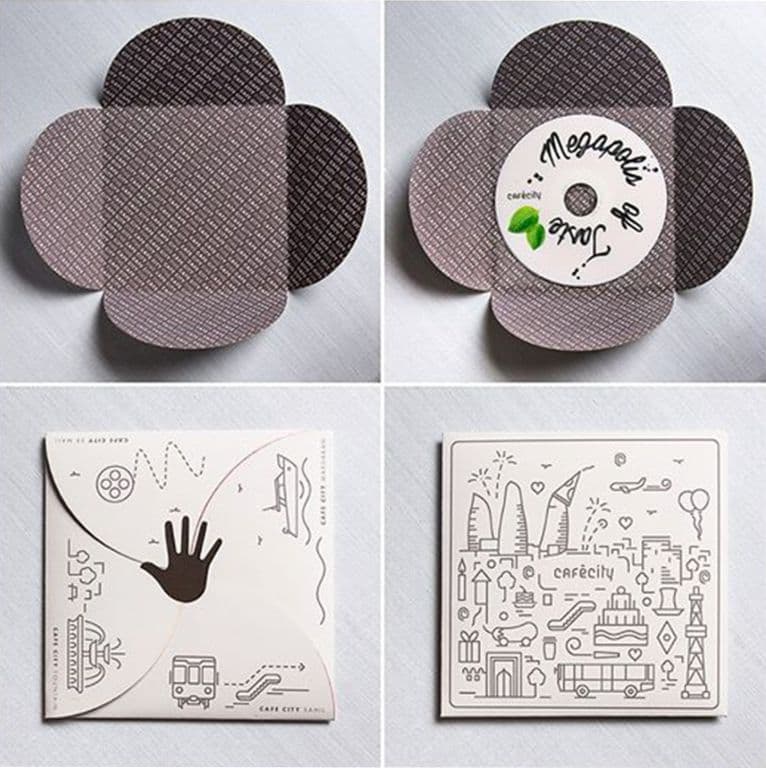
We print boxes, labels and other packaging materials. Box artwork follows the cutting and folding template.
Banner vinyl
A solid advertising surface for fences, facades and event backdrops. Reinforced edges and fixing positions suit the intended hanging method.
Mesh vinyl
An air-permeable advertising surface for facades and scaffolding. Wind loads and supports still need assessment despite the perforations.
Approve the details before printing
Job specifications
You confirm finished dimensions, quantity and intended use. We identify the folding, trimming and fixing requirements that belong in the order.
Choose the material
We choose paper, board or vinyl for the intended use. You agree the surface and required finishing.
Prepare the file
We prepare the file for print production. You approve the final wording and any information that changes between copies.
Approve for print
We submit the final artwork for approval. You check cutting and folding positions and the orientation of front and back.
Print and finish
The agreed trimming and finishing follow printing. At handover, you compare dimensions, copy count and packing with the order.
Files, colour and paper choices
What file should I send for printing?
A PDF prepared to the print requirements we confirm for your order is usually suitable. Colour profile and image resolution depend on the job. Embed fonts or convert them to outlines. Keep editable artwork available if revisions are expected.
Why can printed colours differ from my screen?
A screen emits light; paper reflects it. Paper whiteness, surface and printing method all affect colour. If a brand colour needs close matching, use a printed proof or agreed colour reference instead of a screen image alone.
How do I choose paper thickness?
Choose it for how the finished item will be used. Writing paper needs a suitable surface, boxes need stiffness and folded brochures need clean creases. Papers of the same weight can differ in stiffness, so examine a stock sample too.
What changes the print price?
Quantity, finished dimensions, material and printing method affect the price. Colours, printed sides, lamination, trimming and folding also influence the quote. Ask for the same material and finishing specification when comparing proposals.
Why does the artwork need bleed?
Bleed extends the background beyond the finished edge to prevent white slivers after trimming. Text and logos stay inside the cut line. Use the bleed allowance we confirm in the print requirements for your order.
Let's talk about your next campaign
Tell us what you want to promote. We'll discuss design and advertising options for your project.