
Advertising structures
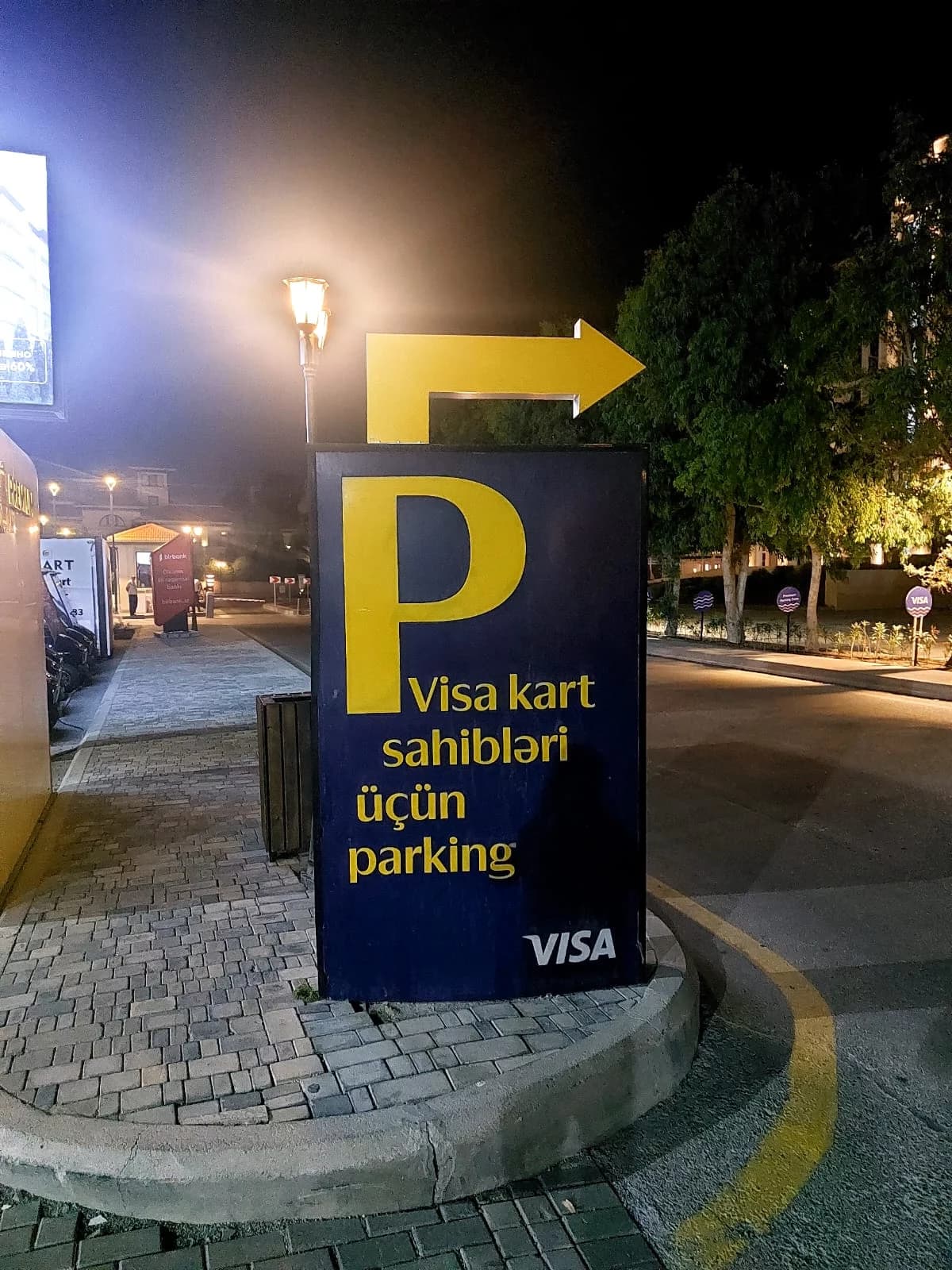
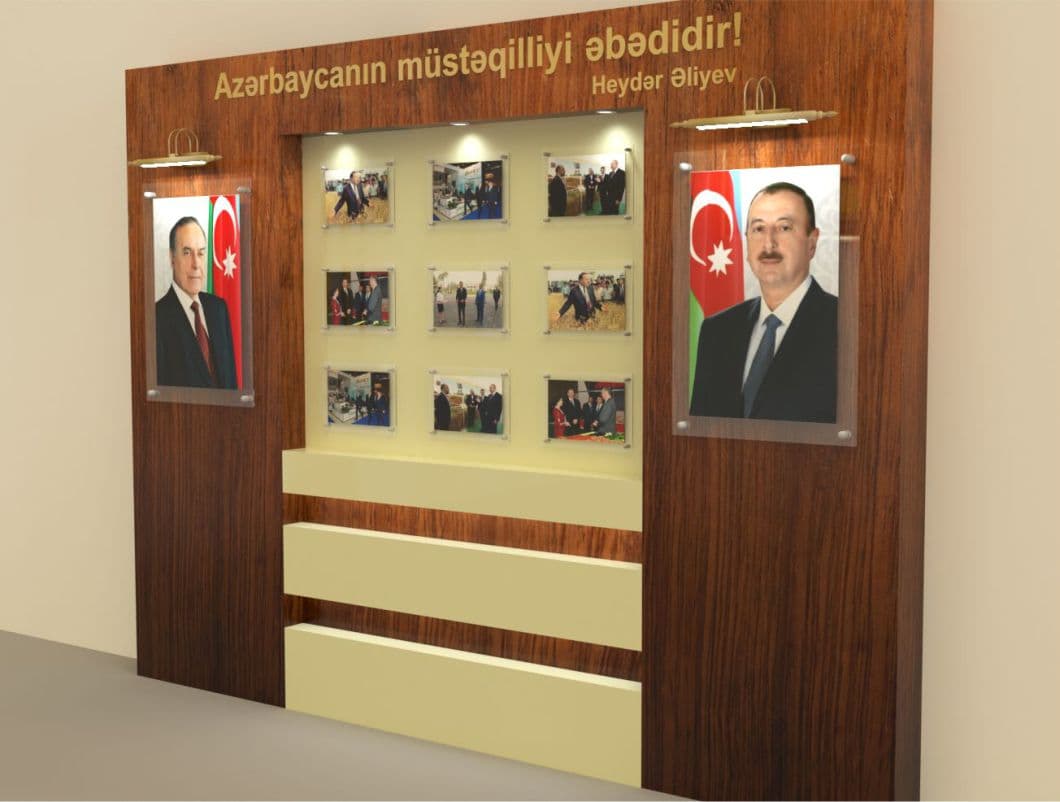
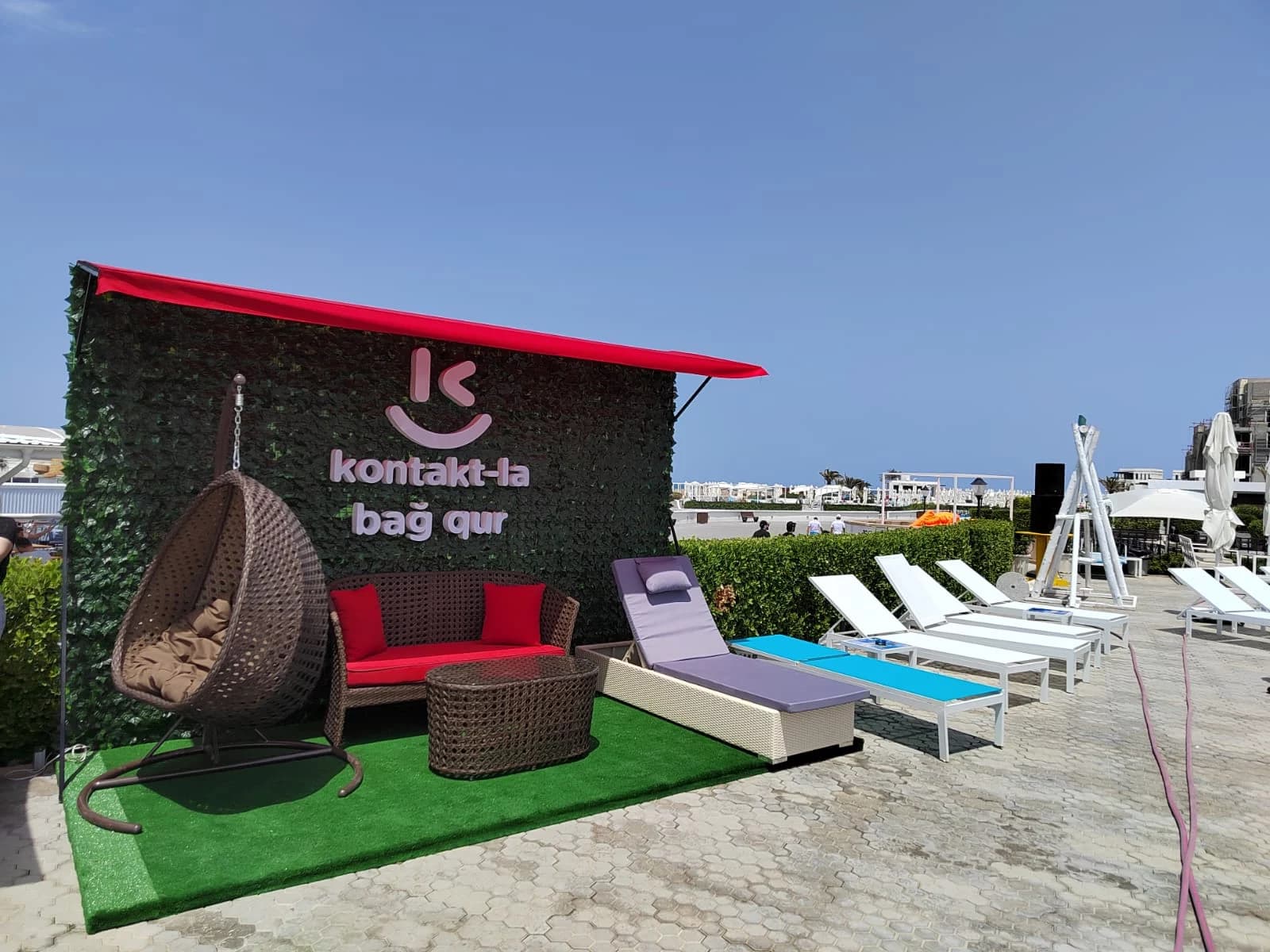
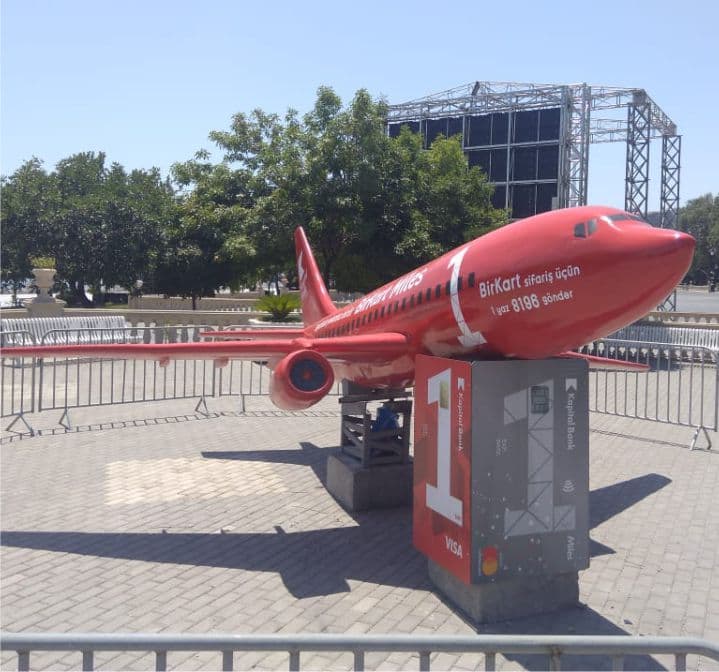
Give your brand a physical presence. We design and build advertising structures in our workshop, then place them in your shop or exhibition space.
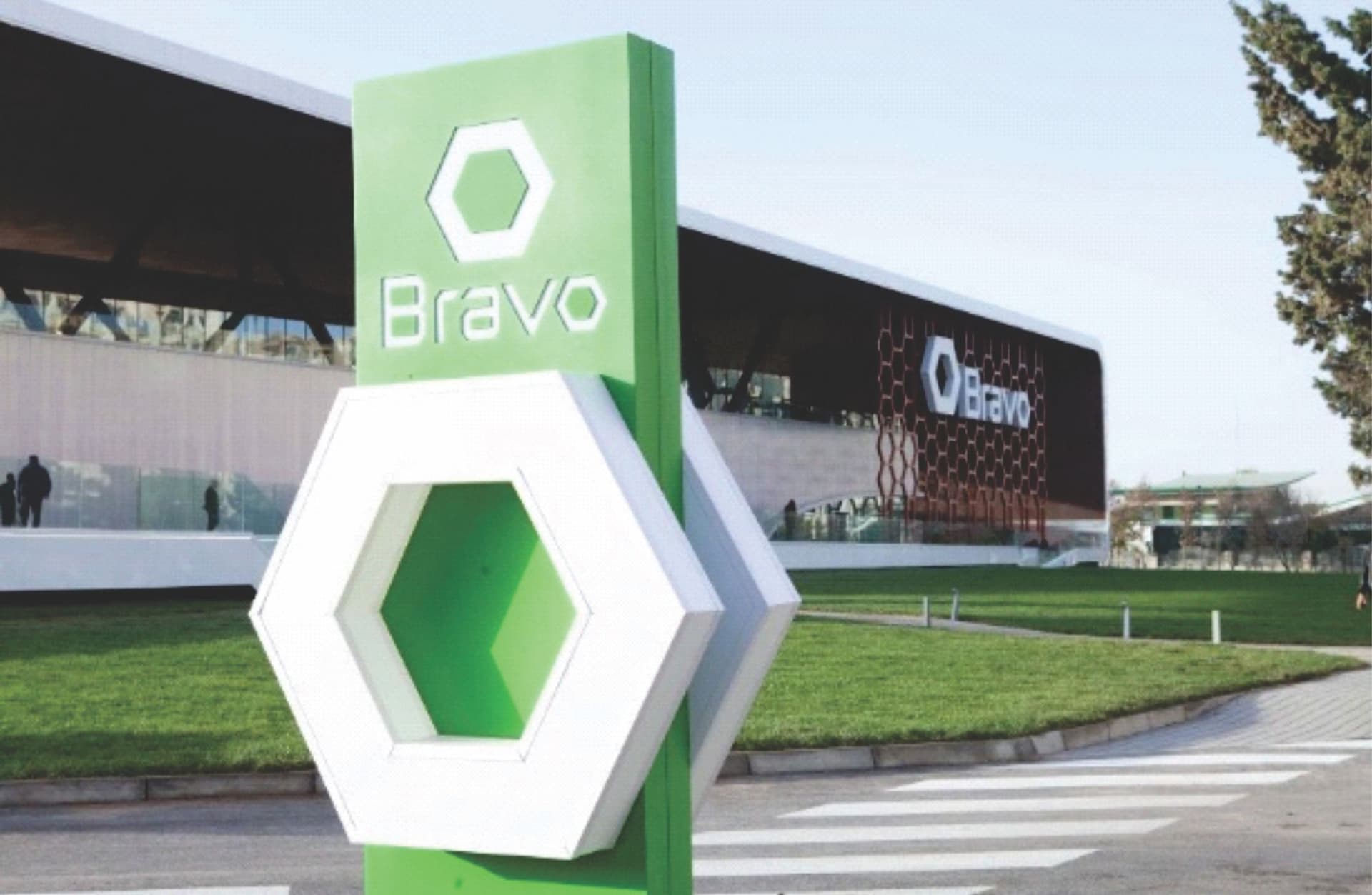
Our own workshop
We build your advertising structures in our production workshop.
Your visual identity
We choose materials and colours to suit your brand.
Placement matters
We consider how each structure looks and works in its surroundings.
How the structure will work
A sign needs legible lettering; a display stand needs room for people to approach the products. We use viewing distance and visitor movement to determine letter size, shelf positions and structure depth. Fine lines can disappear from a distance, while a deep display case can narrow an aisle.
Outdoor structures face rain and wind; indoor displays need to work with the surrounding lighting. Illuminated colours can look different by day and after dark. Face translucency and protection of outdoor electrical components against moisture and dust therefore affect the construction.
For illuminated signs and scrollers in shopping centres or exhibition spaces, check visibility by day and after dark, aisle width and access for graphic changes.
Inside a light box
Follow the parts from the front panel to the wall fixings. Each part controls the image, distributes light or supports the assembly.
Front panel
Translucent opal acrylic diffuses light and reduces direct visibility of the modules.
Graphic layer
Translucent film on the front face carries the logo colours and outlines.
Light source
LED spacing and distance from the face affect how evenly the panel lights up.
Body
Aluminium profiles hold the body shape; the rear panel supports the lighting modules.
Power supply
The supply matches module voltage and load; cable entry points are protected.
Wall fixings
Fixings are selected for the sign weight, wall material and wind load.
Leave access to the lighting modules and power supply for maintenance.
Match the construction to its use
How often graphics change, how people approach the display and how much space is available all affect the construction.
Light boxes
An illuminated advertising surface for streets and indoor walkways. An opening front allows graphic changes without removing the body.
Illuminated 3D letters
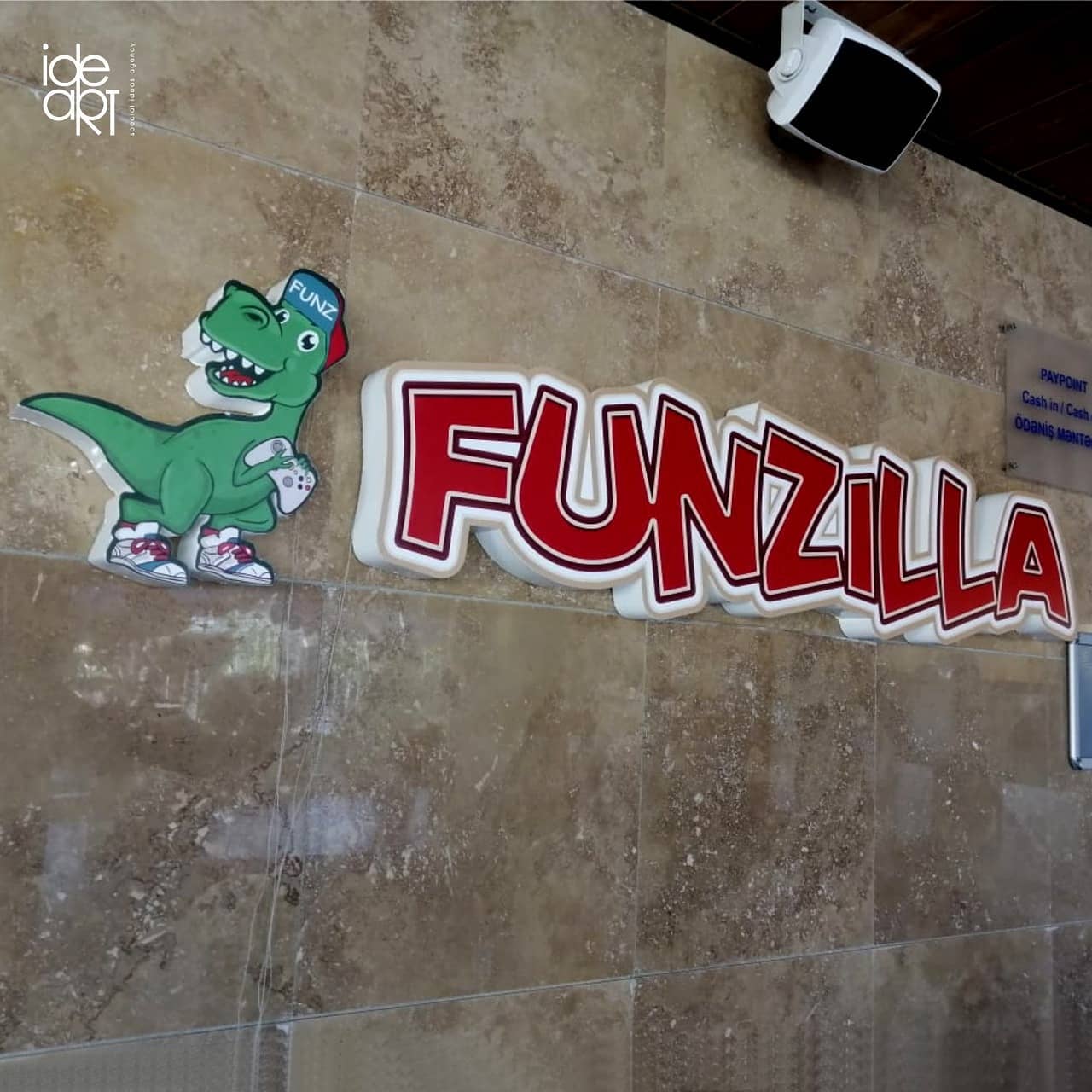
We make shop names and logos as separate dimensional elements. These suit walls where individual letters are preferred to a full panel.
Reusable exhibition stands
We build stands from transportable sections for repeated exhibitions. Dismantled sections take up less space during transport and storage.
Scrolling displays
These cycle through printed graphics where advertising space is limited. A roller mechanism presents different advertisements on the same surface.
Product display cases
We make glazed displays for presenting products in shops. Shelf capacity is matched to the weight of the items on display.
Scale models
A scale model lets you assess sign or stand proportions before fabrication. It can also explain a product form during presentations.
From survey to installation
Site details and measurements
You send site photographs, approximate measurements and your logo. We establish the available footprint and dimensions needing confirmation before fabrication.
Layout approval
We show the structure on the facade or within the space. You approve its position, wording and logo proportions.
Construction choice
We specify the frame, surface materials and joints. You approve material samples and the assembly method.
Fabrication
We fabricate and assemble the approved design, checking dimensions and joints. Any necessary changes are agreed with you.
Installation and handover
We install the structure in the agreed position. You accept the finish and assembly, checking any lighting or moving parts.
Before fabrication starts
Which logo file should I send?
Send a vector logo. A PDF or SVG with preserved outlines is suitable for cutting. Photographs and screenshots may lack accurate edges. Embed fonts or convert lettering to outlines.
Should I choose metal or acrylic letters?
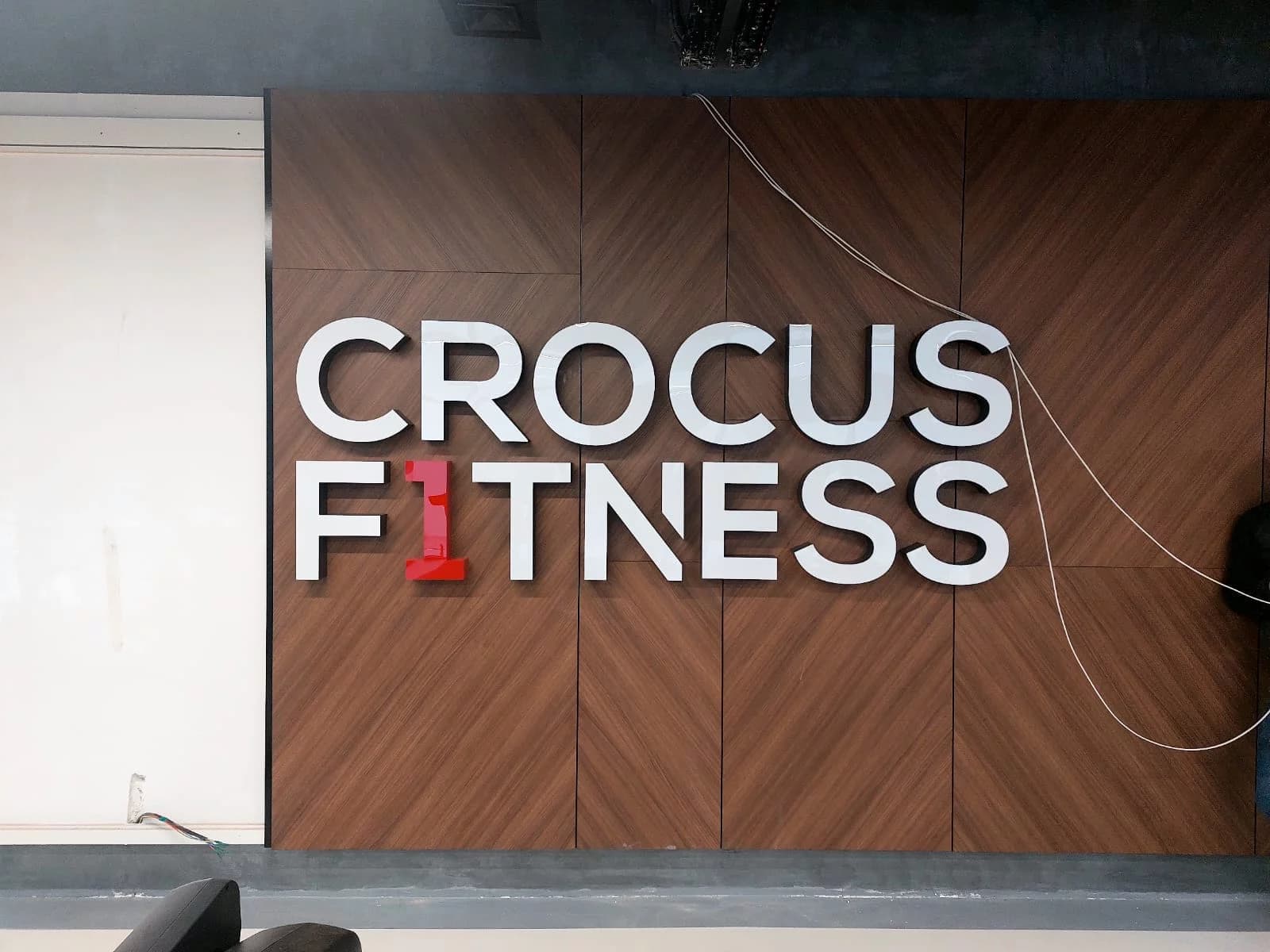
Choose acrylic for a light-transmitting face, or metal for a metallic finish. A solid metal face cannot transmit light. Rear lighting can create a halo behind metal letters; letter depth and distance from the wall affect its appearance.
What determines the price?
Size, materials, component complexity, lighting and installation conditions determine the price. Work at height and access to a power connection also affect the quotation.
How can reflections in display glass be reduced?
Directing light towards the product rather than the glass helps reduce reflections. Nearby light sources can also appear in the glass. Check the view from the customer position with the room lighting on.
Can the wording be changed later?
Yes, but the work depends on how the lettering is attached. Changing cut letters requires new parts and sometimes a new support. Existing fixing marks may also need covering.
Let's talk about your next campaign
Tell us what you want to promote. We'll discuss design and advertising options for your project.